Once you have selected the appropriate child seat for your child, it is vital to verify that it fits securely and
correctly within your Kia Carnival. Always prioritize a proper fit to ensure maximum protection during travel.
Please adhere strictly to the installation manual provided by the child seat manufacturer. When installing a child
restraint system in your Kia Carnival, observe these fundamental steps:
-
Ensure the child restraint is properly secured to the vehicle. All child restraints must be anchored using
either the lap portion of a 3-point lap/shoulder belt or via the dedicated LATCH system.
-
Verify that the installation is firm. After securing the child seat, push and pull it forward, backward, and
side-to-side to confirm it is tightly attached to the vehicle seat. A restraint secured with a seat belt should
be as rigid as possible; however, minor side-to-side movement is normal.
-
Secure the child inside the restraint. Always ensure your child is correctly harnessed according to the
manufacturer’s instructions to guarantee the safety systems of the Kia Carnival work effectively.
Lower Anchors and Tether for Children (LATCH) system
The LATCH system is designed to secure a child restraint both while driving and in the event of a collision. This
system simplifies the installation process for your Kia Carnival, significantly reducing the likelihood of improper
setup. By utilizing vehicle-integrated anchors and corresponding attachments on the child seat, the LATCH system
often eliminates the need to route seat belts through the restraint.
Lower anchors consist of robust metal bars built directly into the Kia Carnival seating structure. Each designated
LATCH position features two lower anchors specifically designed to accommodate a child restraint equipped with
compatible lower attachments.
To utilize the LATCH system, you must ensure your child restraint is specifically equipped with LATCH-compatible
connectors. Always refer to the child seat manufacturer’s instructions for the correct method of attaching the device
to the LATCH lower anchors.
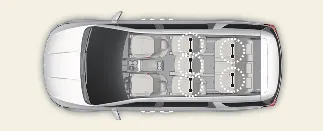
8 seats
7 seats
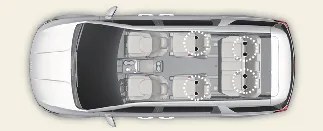
In the 7-passenger Kia Carnival model, LATCH anchors are provided in the left and right outboard rear seating
positions. In the 8-passenger version, an additional LATCH anchor is provided for the second-row center seat. Please
note that no LATCH anchors are provided for the third-row center seating position; please refer to the illustrations
above for exact locations.
 WARNING: LATCH Lower Anchors
Never attempt to attach a LATCH-equipped seat to the third-row center seating position. The lower anchors are
designed exclusively for the left and right outboard seating positions. Using unauthorized positions may damage the
anchors or cause them to fail during a collision, leading to potential injury.
To identify the anchor locations in your Kia Carnival, look for the lower anchor position indicator symbols located
on the left and right rear seatbacks (refer to the arrows in the illustration).
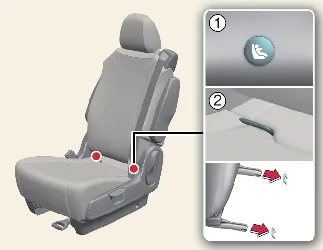
-
Lower Anchor position indicator
-
Lower Anchor
The LATCH anchors are situated in the crevice between the seatback and the seat cushion of the rear outboard seats.
To access a lower anchor, simply push on the upper portion of the plastic anchor cover.
 NOTICE
When installing a CRS in the center seat of an 8-passenger Kia Carnival, the seat belt buckle should be extracted
from the seat cushion beforehand to ensure a clear path for installation.
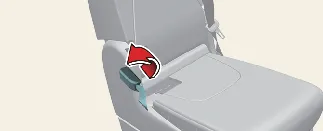
Securing a child restraint with the LATCH anchors system
To ensure maximum safety when installing a LATCH-compatible child restraint in either of the rear outboard seating
positions of your Kia Carnival, please follow these systematic installation steps:
-
Clear the area: Move the seat belt buckle away from the lower anchor points. Failure to do so can result in the
belt webbing or the buckle housing being pinched or damaged by the LATCH anchor, which may render the safety
components unusable or structurally compromised.
-
Ensure a clean connection: Remove any stray items, debris, or debris that might be lodged near the anchors, as
these can physically block a secure, flush connection between the child restraint’s attachments and the
vehicle's lower anchor bars.
-
Position and attach: Carefully place the child restraint onto the Kia Carnival seat. Attach the restraint's
LATCH connectors to the vehicle’s lower anchors, strictly adhering to the specific orientation and sequence
provided by the child restraint manufacturer.
-
Tighten and secure: Follow the child restraint manual's instructions to properly adjust and tighten the lower
attachments. The restraint should be installed as firmly as possible to minimize movement.
 WARNING
To guarantee the safety of your passengers in the Kia Carnival, always observe these critical precautions when
utilizing the LATCH system:
-
Read and comply with every step of the installation manual provided with your specific Child Restraint System
(CRS).
-
Prevent strangulation hazards: To keep children from reaching and manipulating unused seat belts, always buckle
all unoccupied rear seat belts before placing your child into the Kia Carnival. If necessary, lock each unused
belt using the "automatic locking mode" as described in the vehicle manual, and store the webbing behind the
child seat or tuck it against an unused seatback. A shoulder belt that tightens around a child's neck can cause
fatal strangulation.
-
One restraint per anchor: NEVER attempt to attach more than one child restraint to a single anchor point.
Overloading an anchor can cause the attachment hardware to fail or break during a sudden stop or collision.
-
Post-accident inspection: Always have the LATCH system and all associated anchor points thoroughly inspected by
an authorized Kia dealer following any accident. Even a minor collision can compromise the integrity of the
LATCH system, potentially preventing it from securing a child seat correctly in the future.
 NOTICE
The recommended maximum total weight capacity for the LATCH system in the Kia Carnival is 65 lbs. (30 kg). When
choosing a Child Restraint System, you must ensure that the combined weight of your child plus the weight of the
restraint itself does not exceed this 65 lbs. (30 kg) threshold.
To determine if your specific setup is within the safe limit, use the following calculation as a guide:
Maximum Allowable Child Restraint Weight = 65 lbs. - (Child's current weight in lbs.)
If the combined weight exceeds this limit, you must secure the child restraint using the vehicle's standard 3-point
seat belt system instead of the LATCH anchors.
Securing a child restraint seat with "Tether Anchor" system
In addition to standard LATCH lower anchors or seat belt installations, many forward-facing Child Restraint Systems
(CRS) require the use of a top tether strap to reduce forward movement during a collision. Use these location guides
to find the appropriate tether points in your Kia Carnival:
2nd row seat
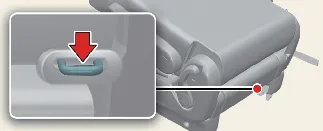
2nd row center seat
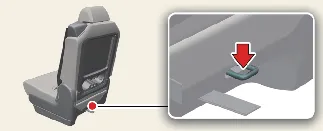
2nd row seat (VIP Lounge Seat) (if equipped)
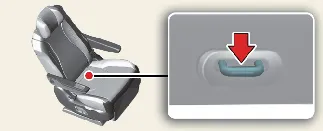
3rd row seat
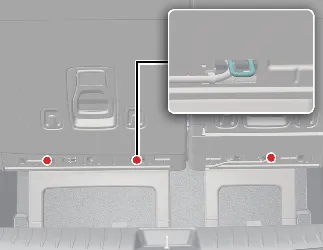
To begin, first secure your child restraint to the Kia Carnival seat using either the LATCH lower anchors or the
vehicle’s lap/shoulder belt. Once the base is firm, identify the top tether strap anchor located on the rear cushion
backrest and attach the tether hook. Finally, tighten the strap according to the manufacturer's guidelines to
eliminate excess slack.
Child restraint system tether anchorages in your Kia Carnival are specifically integrated into the rear seatback
cushions for optimal structural support.
 WARNING
To maintain the integrity of your child's safety system, observe the following precautions when installing a tether
strap in your Kia Carnival:
-
Thoroughly read and adhere to all installation instructions provided by the Child Restraint System
manufacturer.
-
NEVER attach more than one child restraint to a single tether anchor. Overloading an anchor can cause the
attachment hardware to fail or deform during an impact.
-
Always connect the tether strap exclusively to the designated tether anchor. Attaching the strap to
non-approved vehicle components will prevent the system from functioning as designed.
-
Do not repurpose tether anchors for adult seat belts, luggage restraints, or any other cargo equipment; they
are engineered solely for child safety systems.
-
Always secure unused seat belts behind the child restraint. An unbuckled or dangling shoulder belt can become
wrapped around a child's neck, posing a severe risk of strangulation.
To correctly install the tether anchor:
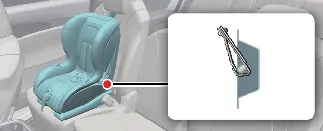
-
Route the Child Restraint System tether strap over the top of the seatback. For seating positions in the Kia
Carnival equipped with adjustable headrests, guide the tether strap under the headrest and between the headrest
posts to ensure proper alignment. If the headrest is fixed or the design dictates otherwise, route the strap
directly over the top of the seatback.
-
Connect the top tether hook firmly to the designated Kia Carnival top-tether anchorage. Tighten the strap
according to the CRS manufacturer’s instructions to remove all slack and firmly secure the child seat against
the vehicle seat.
-
Verify security by physically pushing and pulling the child restraint forward and side-to-side. The restraint
should remain stable with minimal movement.
Securing a child restraint with a lap/shoulder belt
If you are not utilizing the LATCH system, all child restraints must be secured to the Kia Carnival rear seat using
the lap portion of the 3-point lap/shoulder belt system. Ensure the belt is properly routed through the CRS belt path
and locked to maintain a rigid, safe installation for every ride.
Automatic locking mode
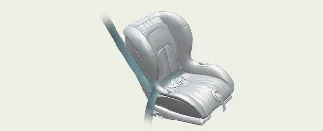
In standard driving scenarios within your Kia Carnival, all passenger seat belts are designed to move freely,
providing comfort and only engaging their locking mechanism during sudden stops or collisions—this is known as the
"emergency locking mode." However, to securely install a child restraint system (CRS) that remains immobile, you must
manually trigger the "automatic locking mode" of the retractor.
The "automatic locking" mode is specifically engineered to prevent the natural shifting of a child or the seat itself
from causing the seat belt to slacken over time, ensuring the Kia Carnival child seat remains tightly and safely
positioned throughout your journey.
To properly install a CRS on the rear seats of your Kia Carnival, please follow these steps:
-
Place the CRS firmly onto the desired rear seat position. Route the lap/shoulder belt around or through the
child restraint, strictly adhering to the installation pathway specified in the child restraint manufacturer's
instructions. Ensure the seat belt webbing remains flat and completely free of any twists.
-
Fasten the lap/shoulder belt latch securely into the buckle. You must listen for a distinct, audible "click" to
confirm that the latch is fully engaged. It is recommended to position the buckle release button so that it
remains easily accessible for you in the event of an emergency.
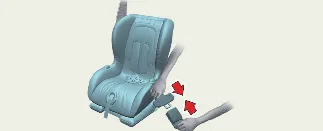
-
To shift the retractor into the required mode, pull the shoulder portion of the seat belt all the way out until
it is fully extended. Once the belt reaches its maximum length, it will automatically transition the retractor
into the "automatic locking" (child restraint) mode.
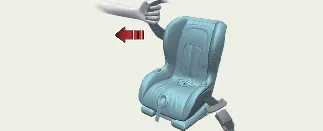
-
Slowly allow the shoulder portion of the seat belt to feed back into the retractor. As it retracts, listen
carefully for a rhythmic "clicking" or "ratcheting" sound; this confirms that the mechanism is successfully
locked. If you do not hear this sound, allow the belt to retract completely and repeat the previous steps until
the automatic locking mode is confirmed. Once locked, push down on the CRS to remove any remaining slack,
ensuring the child restraint is as stable as possible within your Kia Carnival.
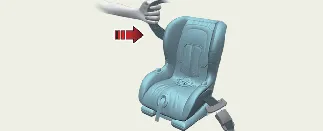
Once the retractor is locked, remove as much slack from the seat belt system as possible. To achieve a rigid
installation in your Kia Carnival, firmly push down on the Child Restraint System (CRS) while simultaneously
feeding the excess shoulder belt webbing back into the retractor.
Perform a stability test by pushing and pulling on the base of the CRS to confirm that the seat belt is holding it
firmly in place. The seat should not shift significantly. If you detect excessive movement, release the seat belt
entirely, allow it to stow, and repeat the previous installation steps to ensure the Kia Carnival safety belt is
perfectly tight.
Double-check the retractor status: attempt to pull more of the seat belt webbing out of the retractor. If the belt
remains locked and cannot be pulled further out, you have successfully confirmed the retractor is in the
"automatic locking" mode.
If the manufacturer of your child restraint system instructs or recommends the use of a top tether anchor in addition
to the lap/shoulder belt, please refer to the "Securing a child restraint seat with Tether Anchor system" section for
detailed instructions specific to your Kia Carnival.
 NOTICE
When the seat belt is unbuckled and allowed to retract to its fully stowed position, the Kia Carnival retractor will
automatically disengage the "automatic locking" mode and revert to the standard emergency locking mode suitable for
normal adult usage.
 WARNING: Auto lock mode
You must set the seat belt retractor to "Automatic Locking" mode whenever installing any Child Restraint System in
your Kia Carnival. Failure to properly engage this mode means the restraint will not remain stationary, allowing it
to move dangerously when the vehicle turns or stops suddenly. A child can be seriously injured or killed if the child
restraint is not properly and firmly anchored within the Kia Carnival.
To safely remove the child restraint, press the red release button on the buckle. Carefully pull the lap/shoulder
belt out of the restraint's belt path and guide it back into the retractor, allowing the Kia Carnival seat belt to
retract fully and reset itself.